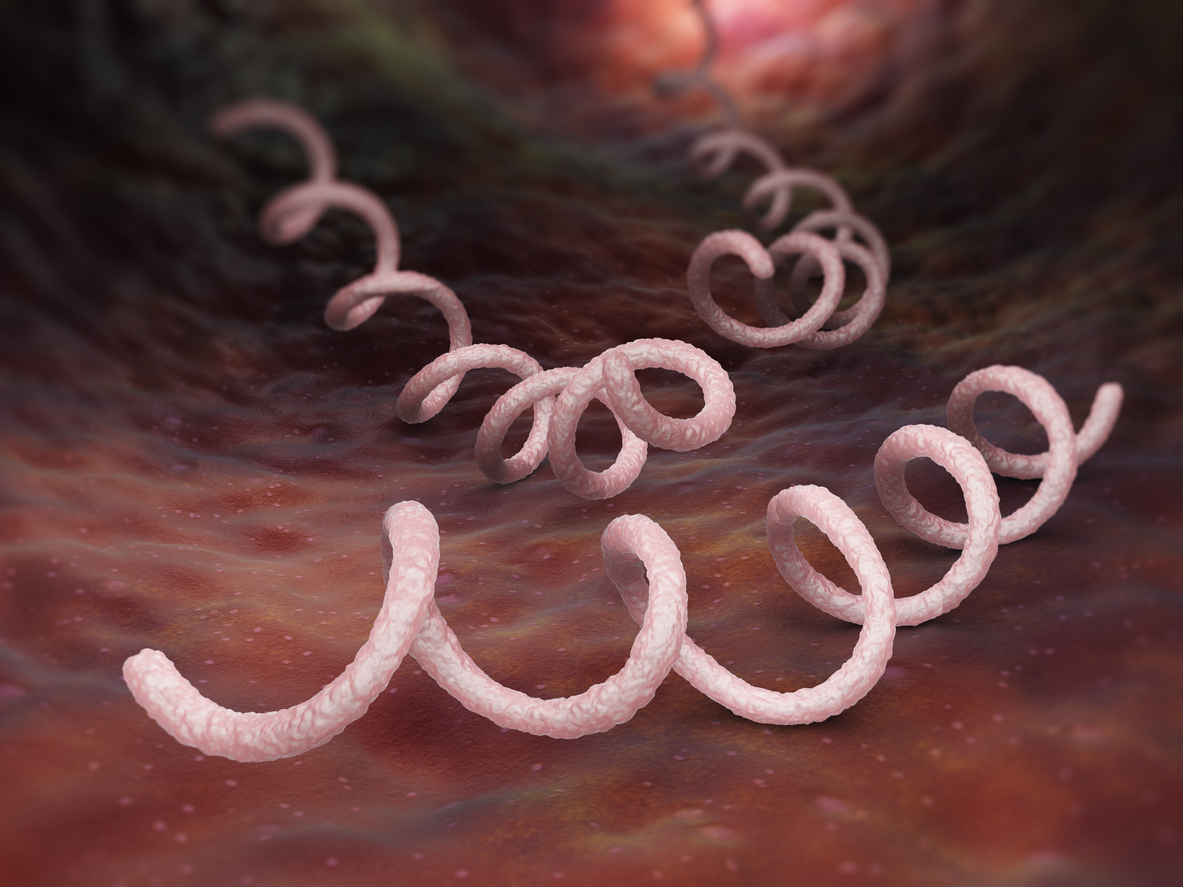
More community-based testing for HIV and syphilis is necessary to tackle rising transmission rates in Indigenous communities, speakers from across Canada said at a symposium held in Winnipeg.
But, they say, governments are slow to react despite national first-time HIV diagnosis rates continuing to exceed pre-COVID-19 pandemic levels with 2,288 new HIV cases in 2024.
Indigenous leaders, Elders, researchers and those with lived experiences gathered at the first annual Ayaangwaamiziwin Centre symposium to focus on sexually transmitted and blood-borne infections (STBBI) treatment and care. The Ayaangwaamiziwin Centre, meaning “carefulness and preparedness” in Anishinaabemowin, is a co-led Indigenous initiative —in partnership with St. Michael’s Hospital in Toronto — bringing together connected organizations to increase HIV and syphilis testing, prevention and treatment in underserved communities.
"We are seeing rates that are just not acceptable,” says Denise Lambert, adding that one of her main concerns is the untreated infection being passed on to children during pregnancy, known as congenital syphilis. "There’s so many babies that have not, as one of my colleagues said, have not been able to take their first breath. Not acceptable."
Read the full story at APTN here.