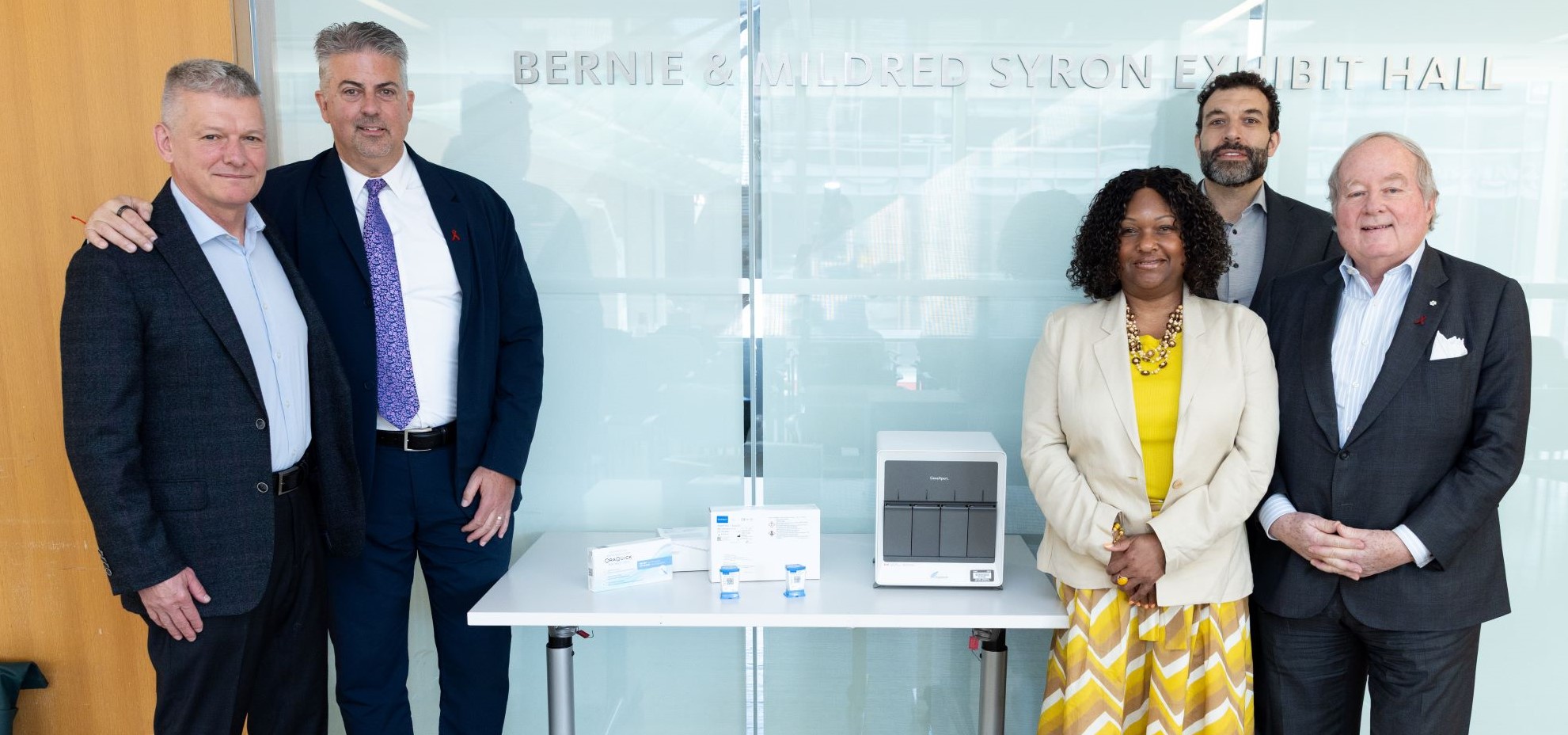
A new national initiative is breaking down barriers to HIV and sexually transmitted and blood borne infection (STBBI) testing in Canada—delivering same-day results and immediate care and treatment directly into communities that need it most. Rapid Testing and Linkage to Care (Rapid TLC), led by REACH Nexus at St. Michael’s Hospital’s MAP Centre for Urban Health Solutions, is bringing fast, accessible, community-based testing and seamless pathways to care to underserved populations across the country.
In Canada, barriers such as long travel distances, limited clinic availability, lab delays of up to 10 days, and structural factors like racism, stigma and trauma from residential schools have made timely access to testing difficult—especially in rural and remote areas and for Indigenous communities. At the same time, rates of HIV, syphilis, hepatitis C, chlamydia, and gonorrhea continue to rise, disproportionately affecting First Nations, Inuit, and Métis communities, Black communities, and people who use substances.
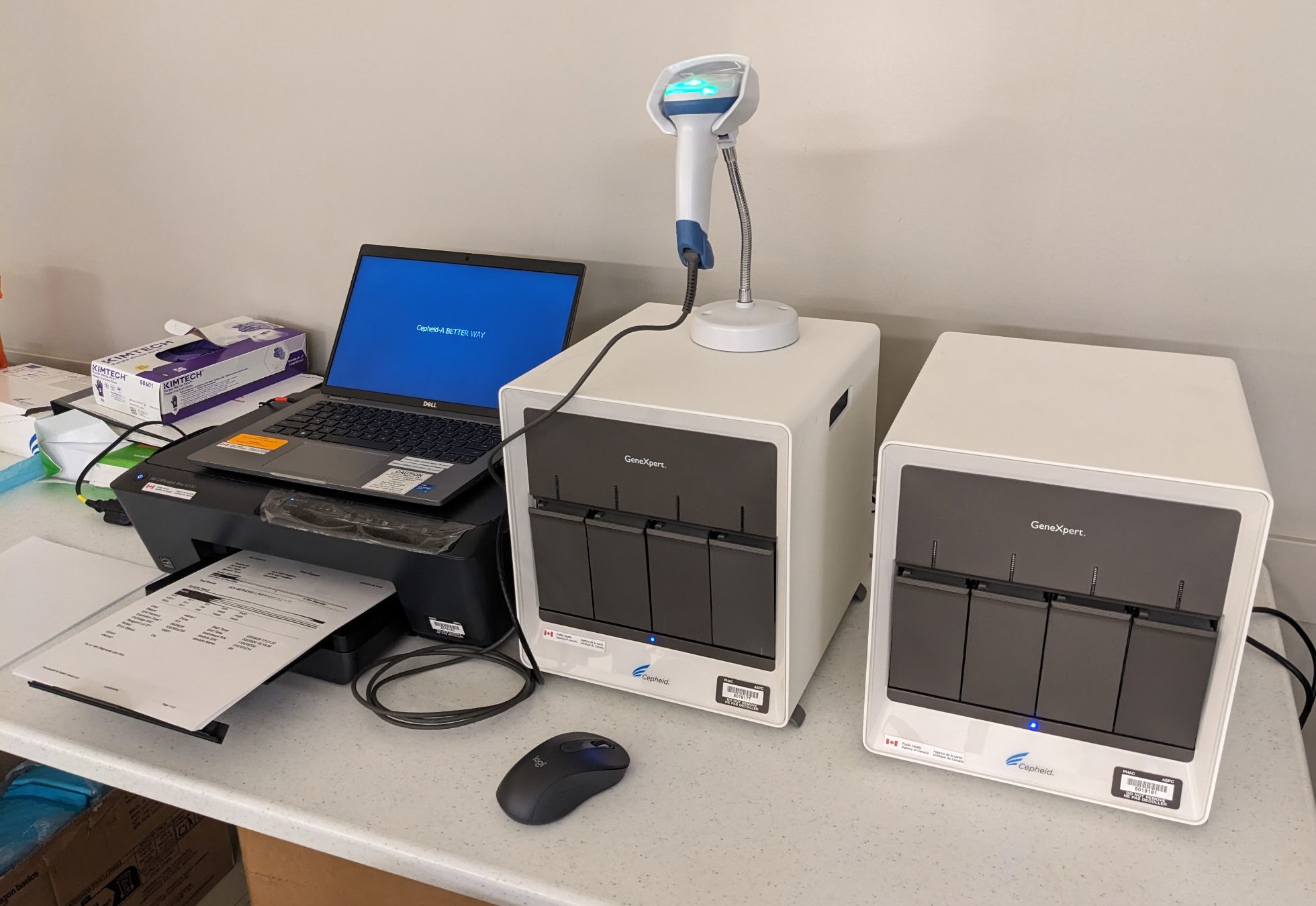
Rapid TLC addresses these gaps by bringing testing, care and treatment directly into community settings. The program is powered by 56 of Cepheid’s GeneXpert® systems, supplied by the Public Health Agency of Canada (PHAC). These portable diagnostic systems function like mobile laboratories, delivering lab-quality results for HIV and other STBBIs in under 90 minutes, decreasing long wait times and reducing the risk of individuals being lost to follow-up. People can become disengaged while waiting for their test results due to fragmented care pathways, long wait times, stigma, unstable living conditions, and communication barriers, making it difficult to return for care and treatment.
“This public health intervention is about turning a moment of testing into a moment of action, so people get answers, support, and care the same day, no matter where they live,” said Dr. Sean B. Rourke, director of REACH Nexus at St. Michael’s Hospital, a site of Unity Health Toronto. “This is about strengthening connections to culturally safe care – and providing this with supports from health care providers and health navigators that can help regain the trust of affected communities.”
Read the full story at Unity Health Toronto here